Editor's Page

The Boat as Emblem

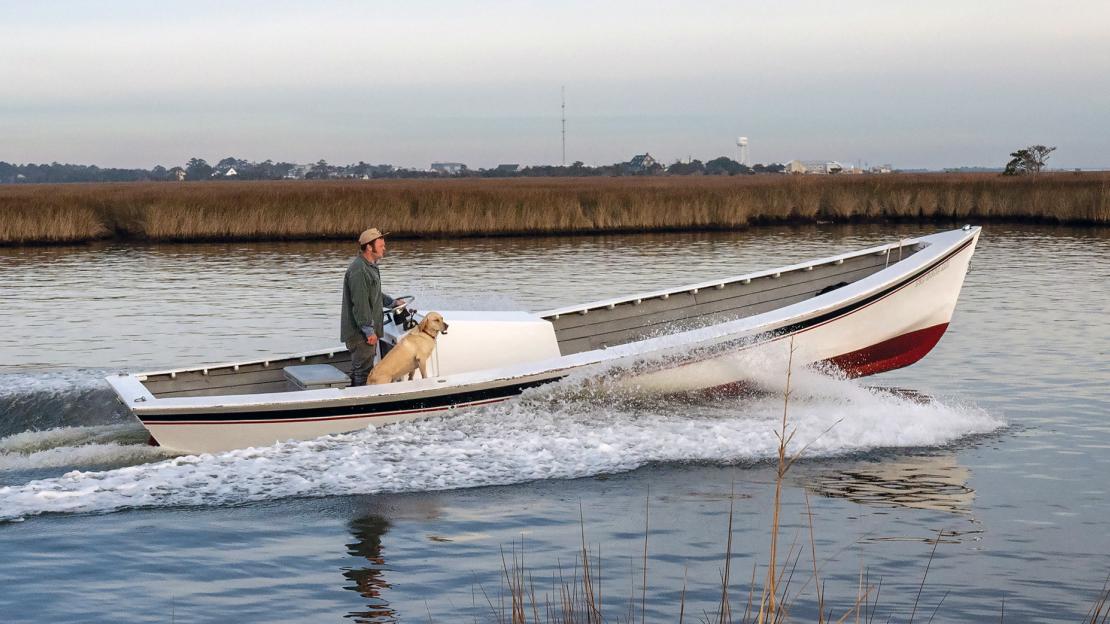
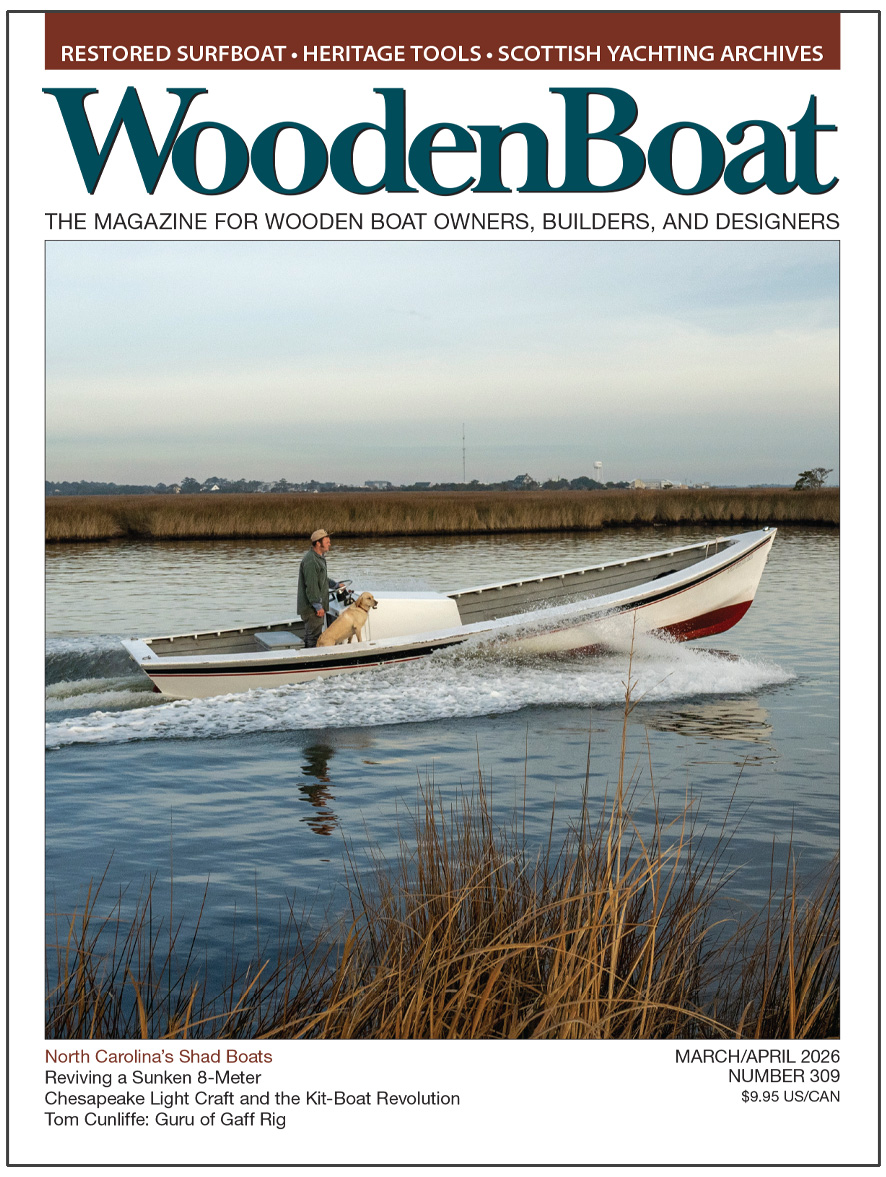
In his article beginning on page 56, Paul Molyneaux observes that the North Carolina shad boat is a reflection of its region’s history. Indeed, as Paul details in his article, shad-boat construction, which began in the 1870s, was adapted to available resources, and hull forms morphed through the switch from sail to power and the evolution of the fishery. While the modern shad-boat emerged after the Civil War, its design is rooted in a millennia-old hull form, carved from big logs by the native Croatoan people of the Outer Banks. The boat’s regional symbolism is so powerful that the North Carolina General Assembly designated it the Official State Historic Boat in 1987.

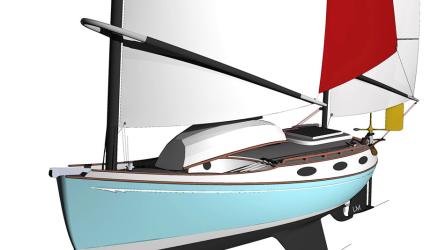
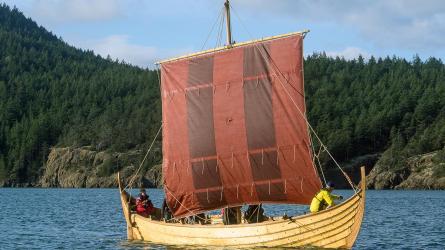
Jan Adkins, in his installment of Skills 101 beginning on page 37, notes, “The goal, purpose, time, and circumstance of a boat shapes its design.” In the case of the shad boat, it’s remarkable that the goals and circumstances that shaped it could have held on for so long. But it’s not unique. My thoughts turn to Scandinavia when I think of boats as cultural emblems—of hull forms and construction concepts that held on through centuries, shaped by environment and need. The Nordic lapstrake, or “clinker,” tradition is so powerful a cultural emblem—and so endangered by changing times—that in 2021 it was added to UNESCO’s Representative List of the Intangible Cultural Heritage of Humanity, to ensure its preservation. Boats built in this tradition range from Viking-era watercraft to the faerings that roamed Norway’s fjords to modern-day fjord cruisers, built of fiberglass but with molded “strakes” to mimic ancient planking techniques. The influences of lapstrake-planked Viking-era boats are still visible all over Scandinavia and have even found a place in modern recreational kit boats built of plywood. We see this in several of John Harris’s designs beginning on page 86.

Indeed, Harris has tapped many traditions in his designs, and his workboat-derived concepts have found an audience in the recreational realm. His Lighthouse Tender Peapod, for example, is based on the peapods of the Maine Coast—double-ended multipurpose workboats once used for hand-hauling lobster traps along bold, rocky shores. John’s Southwester and Northeaster Dories are rooted in a Massachusetts tradition of beach-launched fishing boats that transitioned, as early as the late 19th century, into recreational racing craft. His Pacific Proa is a wood-and-epoxy interpretation of Oceanic voyaging craft. John’s company, Chesapeake Light Craft, has many kayak designs; in fact, it was founded on this most ancient and emblematic watercraft of the Arctic.

“The changes [the shad boat] has gone through in design, power, and function,” Paul Molyneaux writes, “perfectly mirror a unique slice of Americana.” Likewise, Nordic clinker craft, Maine peapods, Massachusetts dories, Oceanic proas, and Aleut and Greenland kayaks are all rooted in regional traditions that are hundreds—even thousands—of years old. They have evolved over time. They are reflections of customs, traditions, struggles, and values, and have found new agency and appreciators. Regional watercraft survive because they fit a place and a purpose. If you’re reading this, or have built, sailed, or enjoyed these boats, then you are part of that purpose.

Matt Murphy

Editor of WoodenBoat Magazine
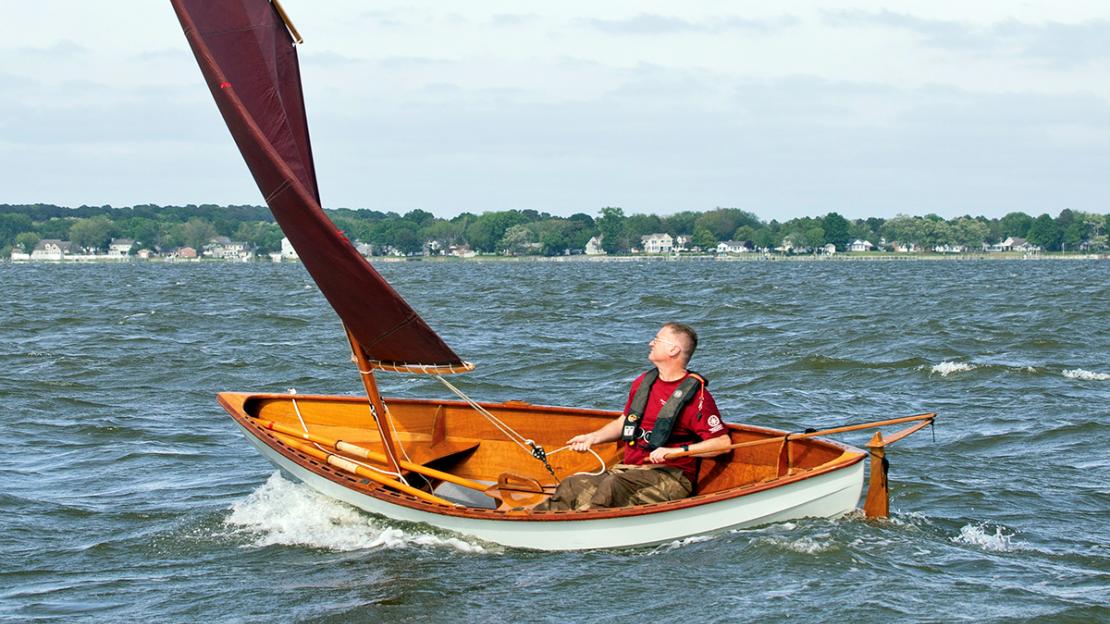
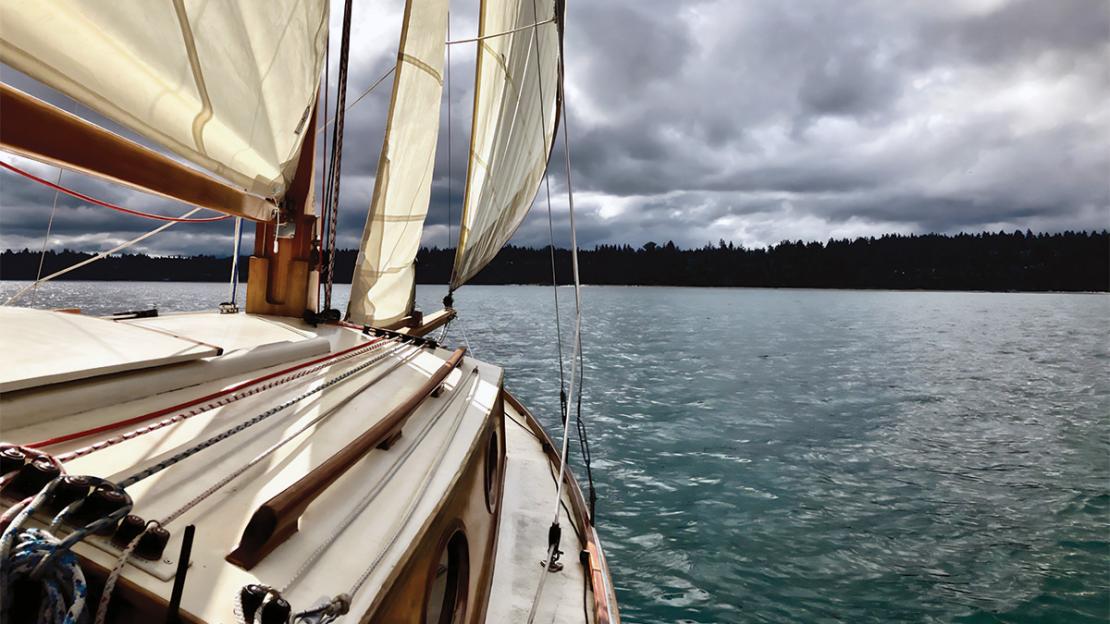
All lines now lead to the cockpit.
Page 19

Aging with a Boat

by Lawrence W. Cheek

The year my wife and I both turned 74, we had our first big sailing scare. This was four years ago, near the end of a pleasant and otherwise uneventful afternoon daysail. I had furled the jib and started the motor, and Patty edged out to the foredeck as usual to douse the staysail. Abruptly she crouched to the deck and clutched her chest with an ominous yelp. “Sharp pain in my chest!” she cried.

Preview Article
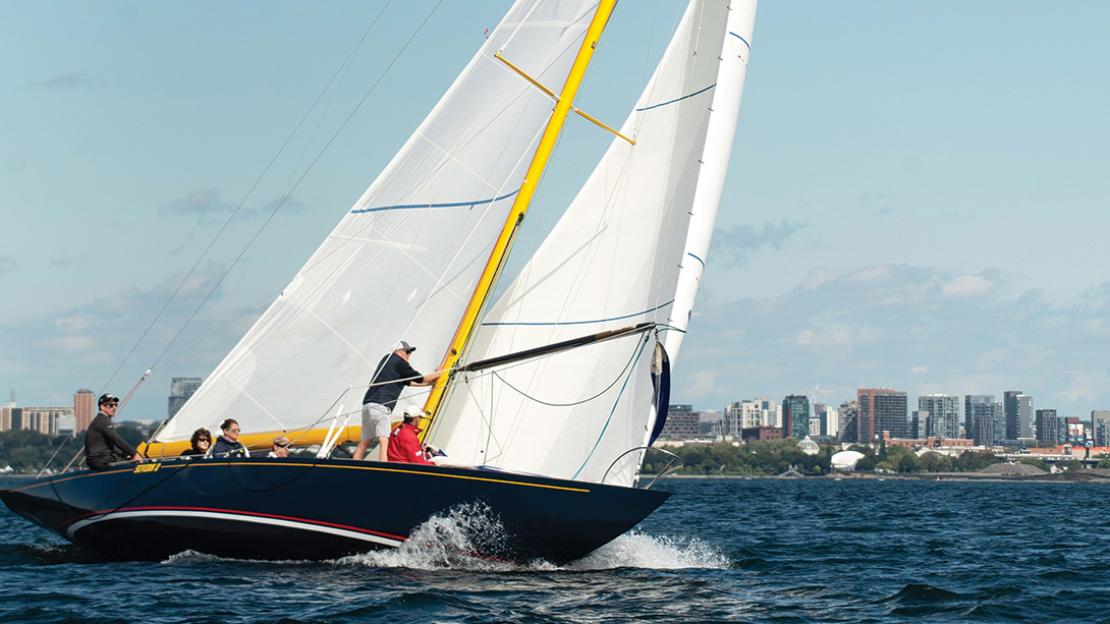
The 8-Meter-class sloop SEVERN II
Page 20

For the Love of an 8-Meter

by Bruce Kemp

In late spring 2023, Steve Reid, the Ontario, Canada-based owner and skipper of the modern 8-Meter-class sloop YQUEM, was forced, while racing, into a series of fast maneuvers off Toronto Islands that resulted in a collision that sank the historic 8-Meter SEVERN II. Although the event was traumatic for all involved, nobody was hurt, and the recovery that followed was remarkable.

Preview Article
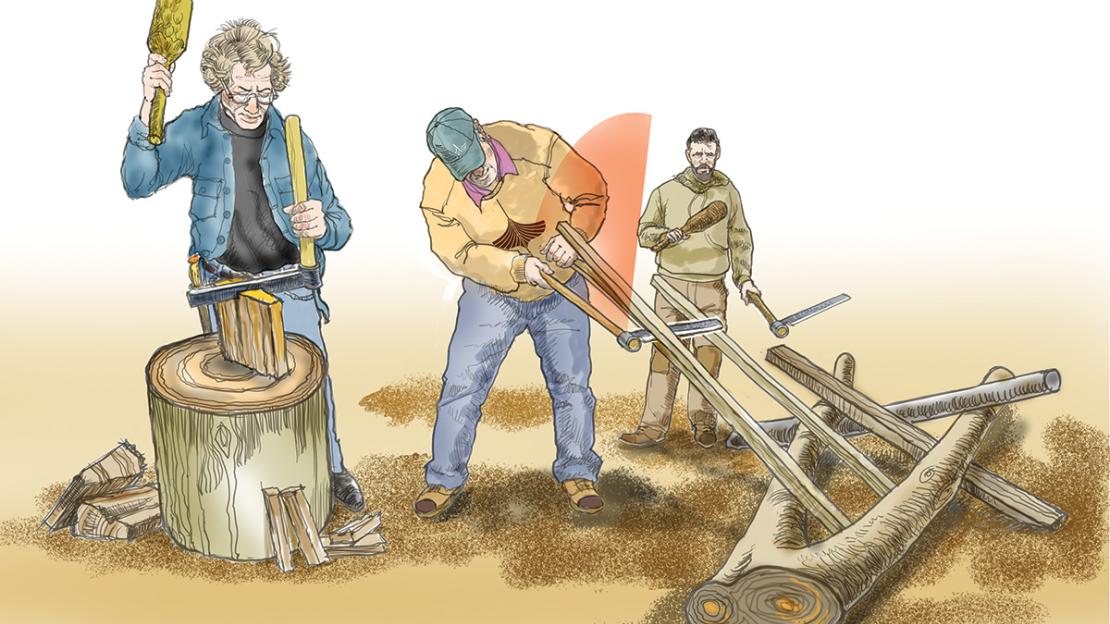
The froe is a kind of sideways hatchet.
Page 35

Heritage Tools

by Jan Adkins • Illustrations by Jan Adkins

Our goal with Skills 101 is to present the practical now of boats that are built for the crucial business of discovery, recalling that every boat length we travel from the dock is exploration. Yes, we look carefully at old classic boats; the evolved construction of vessels that prevailed against time and storms, competition, and hard use delivers lessons of what works and, just as important, what almost works. An important dictum in boats, tools, and all design is form follows function. The goal, purpose, time, and circumstance of a boat shapes its design.

Preview Article
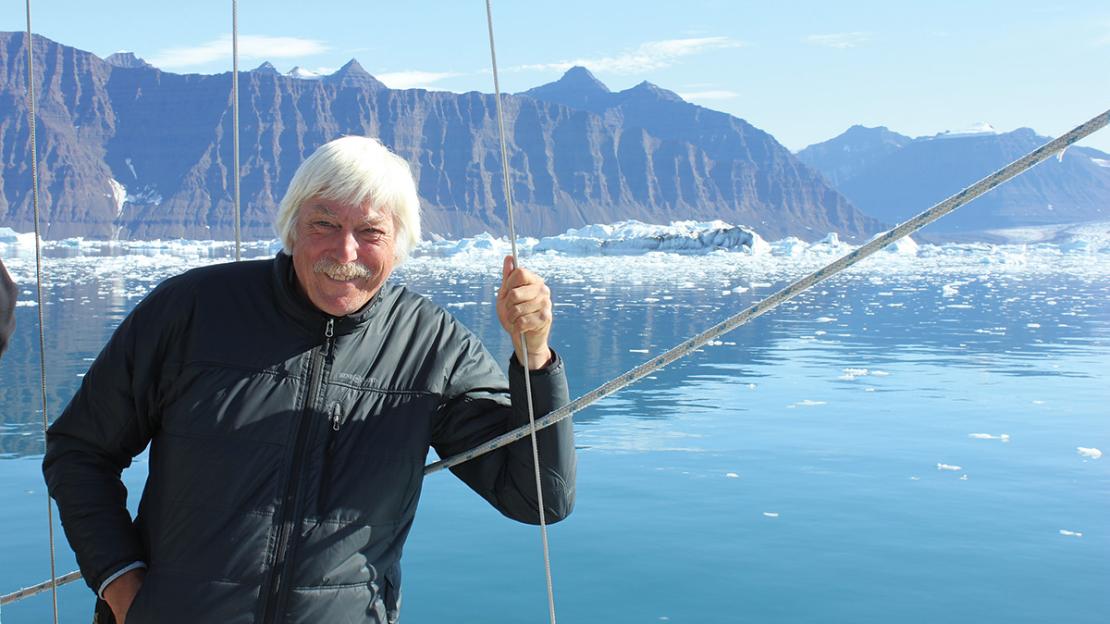
Tom Cunliffe
Page 40

Tom Cunliffe

by Nic Compton

We had to leave Rio de Janeiro, and we had to leave quickly, but we had no chronometer and no charts because they had all been stolen. All we had was a chart of the Atlantic Ocean and the coordinates for Barbados. My proposition was to sail north until we passed 13 degrees North and then to turn left and run down the line of latitude until we got to Barbados. At the last minute, a friend gave me his Bulova Accutron watch, which would have given us longitude, but that went overboard at Cabo Frio, so we had no longitude again. So, there we were in the middle of the Atlantic Ocean, and we didn’t know where we were to within 200 miles. And it didn’t matter. It was not important because we knew that we were safe and we knew that we were going the right way.”

Preview Article
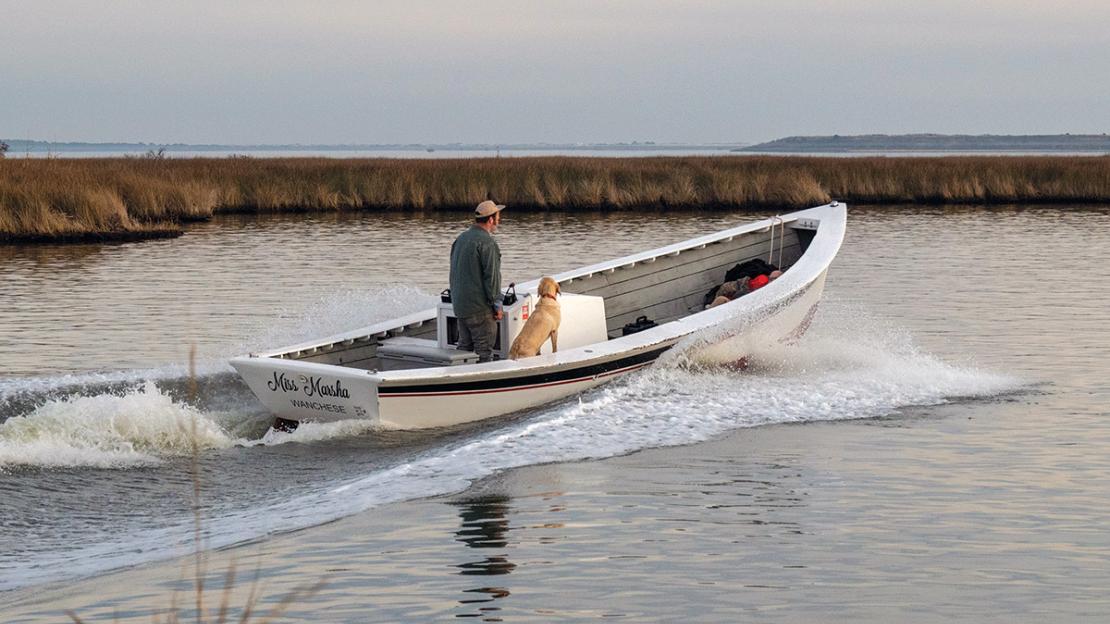
Shad boat
Page 54

Shad Boats

by Paul Molyneaux

The North Carolina shad boat is emblematic of the post-Civil War–era South. It embodies innumerable aspects of this period of its region’s historical resource use and development patterns. The changes it has gone through in design, power, and function perfectly mirror a unique slice of Americana.

Preview Article
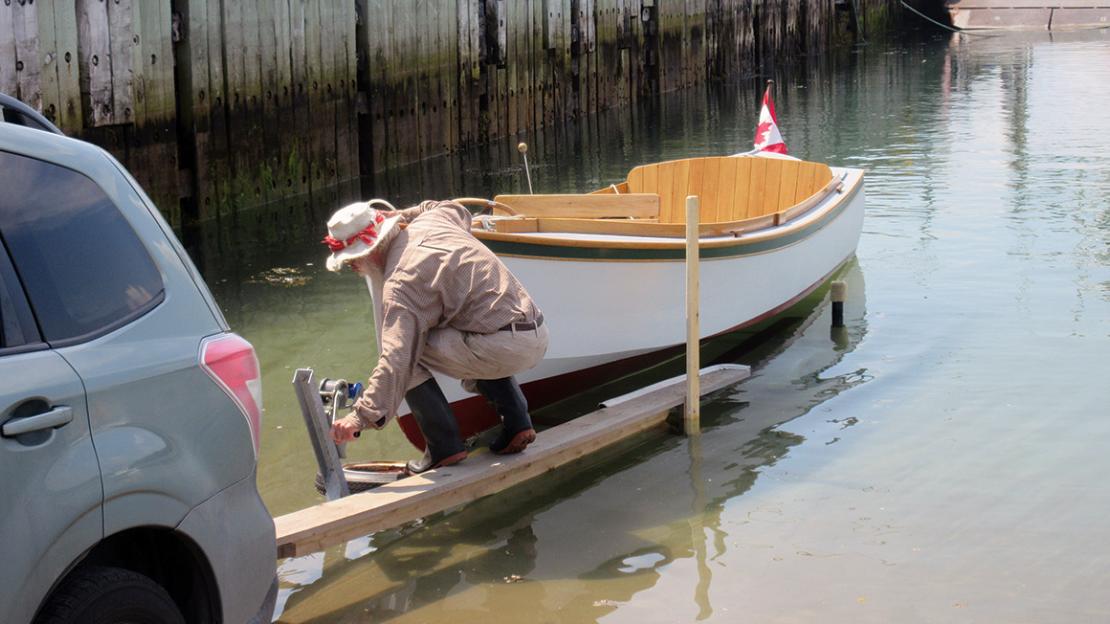
The author’s catwalk.
Page 64

A Boat-Trailer Catwalk

by Harry Bryan

My present boat, an 18' launch, is the first boat I have owned that lives continually on a trailer and is launched and retrieved for each use. When I first used the trailer, I found it inconvenient to stand on the tongue underwater while releasing the winch strap, and difficult to balance on the trailer frame while climbing aboard the boat. During retrieval, it was even more awkward to step from the boat to the trailer to attach the winch strap.

Preview Article
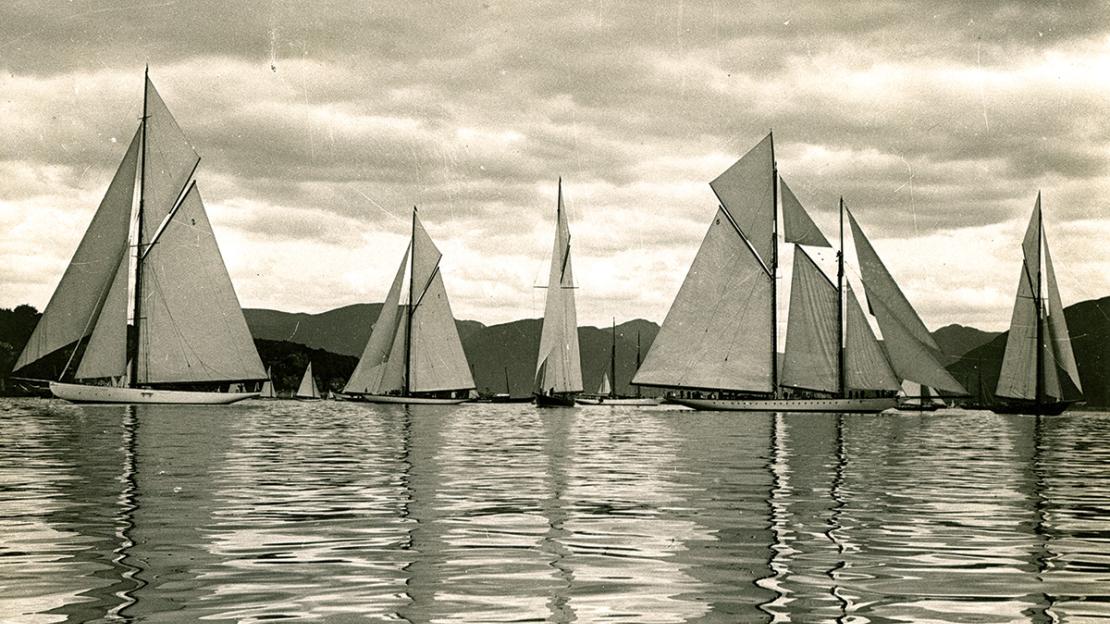
LULWORTH, WHITE HEATHER II, BRITANNIA, WESTWARD, and SHAMROCK
Page 66

Scottish Yachting Archives

by Evelyn Ansel

Imagine a bustling light-filled drafting office somewhere in a humming Scottish riverside city in 1903. It’s filled with activity: pencils sharp and ink flying; a balcony for blueprinting a few steps away; the rustle of hundreds of drawings being stamped, revised, shuffled, copied, and studied. There’s a naval architect looking over a draftsman’s shoulder, signing off the exquisitely executed details inked on luminous and translucent starched or waxed linen, copied from penciled drafts on crisp, white, cotton-rag paper.

Preview Article
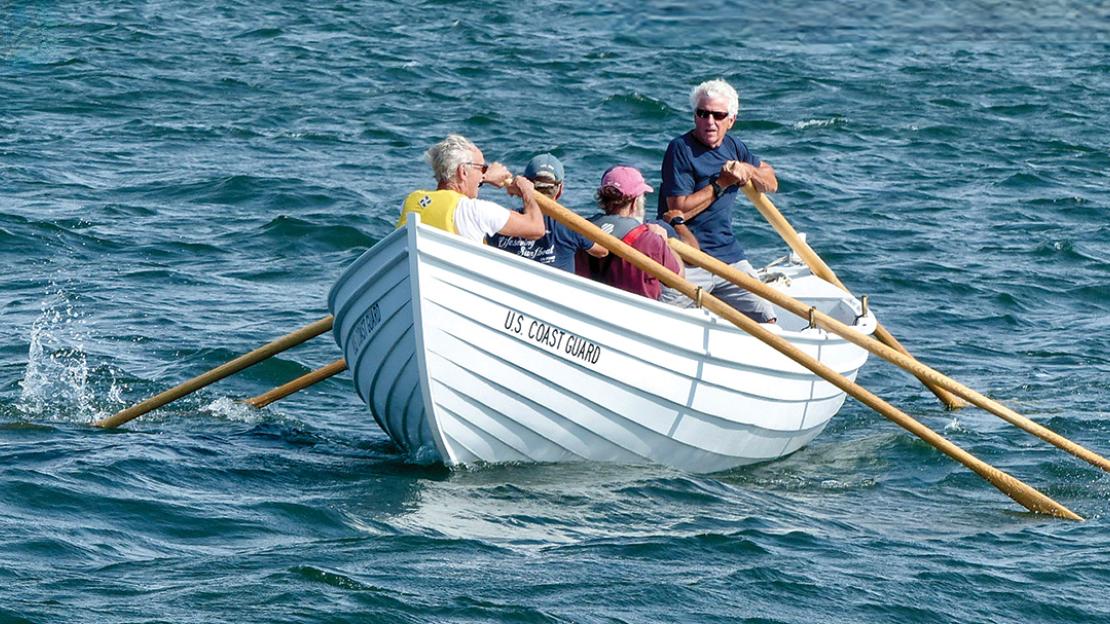
1944 rescue surfboat
Page 76

Rescuing a Cape Cod Rescue Surfboat

by Tony Davis • Photographs by Don Stucke

A famous old adage, “Only cowards and fools leave a sinking ship,” was close to the heart of the life-saving surfmen of Cape Cod, Massachusetts, over a century ago. In those days, extensive shoals along the Atlantic coast of Cape Cod ran parallel to the beaches, and storms often caused sailing ships to run aground, sometimes after poor navigation left them trapped between sandbars. Their crews were most likely to survive if they stayed with the ship rather than attempting to negotiate the frigid and roiling surf to get ashore.

Preview Article
John Harris at the helm of a Skerry Skiff.
Page 86

John Harris and Chesapeake Light Craft

by Joe Evans

In the 25 years that John Harris has owned and operated Chesapeake Light Craft (CLC) of Annapolis, Maryland, the company has delivered more than 45,000 boat kits to aspiring builders in about 70 countries. The company’s offerings have expanded from a couple of easy-to-build kayaks with basic templates, precut parts, and blueprints to 120 designs for paddling, rowing, sailing, and power.

Preview Article

From the Community

Classified

Classified

Dinghy for sale

Merlin Rocket, 14' dinghy sloop. Recent complete restoration.